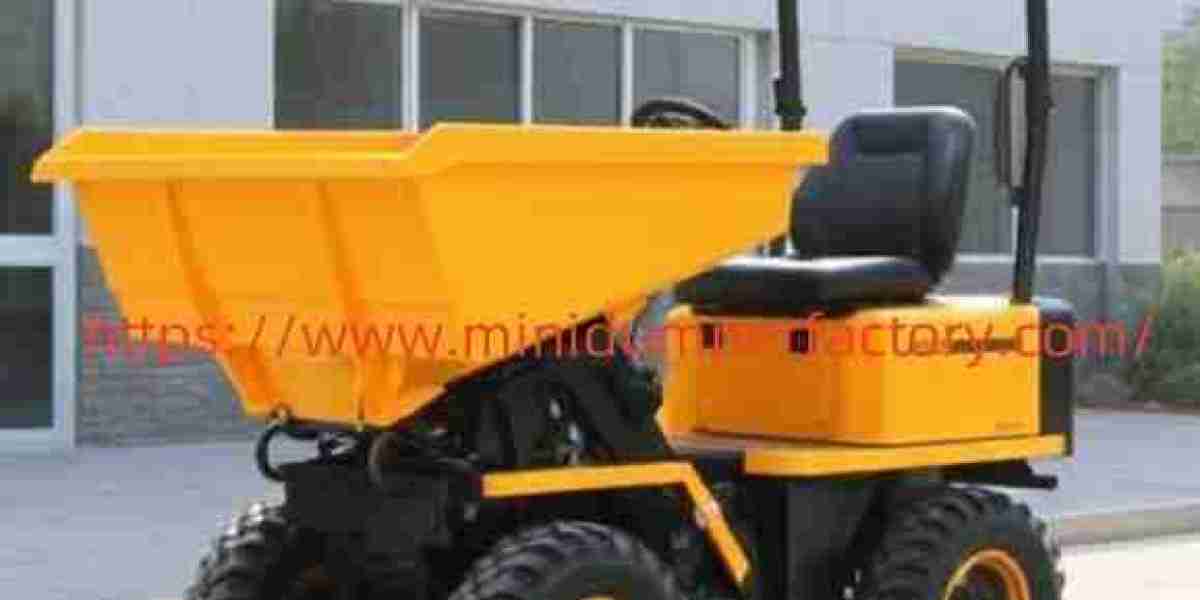
Mini Dumper Factory equipment can suit daily construction work because compact transport machines are designed to move materials through spaces where larger vehicles may be difficult to position. Their practical format can support tasks involving soil, gravel, sand, rubble, landscaping materials, and other loads. Minidumperfactory provides compact transport solutions for different working environments, giving contractors and site operators options based on terrain, access, material type, and project needs.
Compact Size For Confined Areas
Construction sites do not always provide wide access routes.
Residential renovation areas, garden projects, landscaping zones, and narrow building spaces can contain paths that are difficult for larger vehicles to navigate.
A compact transport machine can work within these restricted areas and move between different sections of the site.
This can be useful when materials need to travel from a storage point to a foundation area, garden section, trench, or renovation zone.
Smaller dimensions can also make positioning easier when several workers and other machines are operating nearby.
Practical Material Movement
Many site tasks involve repeated movement of loose materials.
Workers may need to transport soil, gravel, sand, stones, construction debris, mulch, or similar loads several times during one working day.
Using powered transport equipment can reduce the amount of manual carrying required.
The machine can collect material from one location, travel to another point, and discharge the load according to the work sequence.
This can help organize site activities when materials need to move continuously between different work zones.
Mobility Across Different Ground Conditions
Daily site conditions are rarely identical.
One project may involve compact soil, while another may contain grass, gravel, mud, slopes, or unfinished ground.
Equipment intended for outdoor material transport should therefore be selected according to the terrain where it will operate.
Traction, ground clearance, wheel or track arrangement, steering method, and weight distribution can all influence mobility.
Operators should also consider slope conditions and ground stability before starting work.
The machine should always be used within the operating conditions specified for its intended application.
Useful For Landscaping Work
Landscaping projects often require materials to move through areas with limited access.
Soil, compost, stones, paving materials, tree planting supplies, and garden waste may need to be transported between different sections of a property.
Compact transport equipment can help reduce repeated manual movement, especially when the working area is too narrow for larger machinery.
For landscaping contractors, maneuverability can be just as important as carrying capability.
A machine that can turn within a relatively small area may make it easier to work around trees, walls, pathways, garden structures, and existing buildings.
Supporting Agricultural Tasks
Agricultural operations can also involve routine material transportation.
Soil, feed, fertilizers, harvested materials, branches, and other loads may need to move across fields, farm yards, orchards, or storage areas.
The appropriate equipment depends on the surface, distance, load type, and frequency of use.
Some operators may also use compact transport machines around greenhouses or animal areas where access is limited.
Before selecting equipment, buyers should review the working environment and determine whether the proposed configuration suits the surfaces and material handling requirements of the property.
Residential Construction Applications
Residential construction frequently involves changing site conditions.
During foundation work, landscaping, renovation, drainage work, and general preparation, materials may need to travel between several locations.
Access can become complicated when the property contains walls, fences, parked vehicles, temporary structures, or unfinished pathways.
Compact transport equipment can offer a practical way to move materials while avoiding some of the access limitations associated with larger vehicles.
Contractors should consider the complete site layout before deciding which machine configuration is suitable for their project.
Straightforward Daily Operation
Equipment used frequently should be convenient for operators to understand and manage.
Controls, loading access, steering, unloading, and basic movement should correspond with the intended application.
Simple operation can also make routine site tasks easier to organize when different workers use the same machine during a project.
Operators should receive appropriate training and follow the manufacturers recommendations for loading, movement, unloading, and maintenance.
Worksite safety should remain part of every operating procedure, particularly when equipment is used near people, structures, slopes, or other machinery.
Maintenance And Service Access
Daily site equipment experiences regular exposure to dust, soil, moisture, vibration, and changing weather conditions.
Routine inspection can help identify worn components, loose fasteners, damaged parts, fluid issues, or other conditions that may affect normal operation.
Maintenance access should therefore be considered when selecting equipment.
Operators can establish a regular inspection schedule covering moving parts, tires or tracks, loading structures, controls, and other relevant areas.
Following a planned maintenance routine can help keep equipment prepared for repeated site tasks.
Choosing A Suitable Configuration
Different projects require different equipment arrangements.
Buyers can consider payload requirements, ground conditions, access width, turning space, unloading method, power source, maintenance needs, and expected working frequency.
Construction contractors may prioritize site mobility, while landscaping companies may focus on maneuverability and access around existing property features.
Agricultural users may give greater attention to terrain and repeated outdoor operation.
Matching the configuration with the actual application can provide a more practical basis for purchasing decisions.
Why Consider Minidumperfactory
Minidumperfactory provides compact transport solutions for construction, landscaping, agriculture, property maintenance, and other applications requiring practical material movement.
The product range includes different configurations intended for varied working environments, giving buyers room to compare application requirements before selecting a suitable model.
For contractors and distributors, discussing terrain, material type, project conditions, expected workload, and site access with the manufacturer can help establish a clearer purchasing specification.
This project based approach can also make it easier to match equipment selection with daily operating requirements.
Planning For Efficient Site Work
Equipment selection should begin with the actual job.
Before purchasing, contractors can evaluate access routes, material types, working distances, terrain, loading areas, unloading points, operator needs, and maintenance arrangements.
This information can help determine which configuration fits the project.
A practical transport machine can support repeated movement tasks while reducing unnecessary manual carrying across the site.
The final decision should also consider training, inspection, safe operating procedures, and service requirements.
Minidumperfactory provides compact material transport solutions for different applications, with relevant products and project options available at https://www.minidumperfactory.com/product/