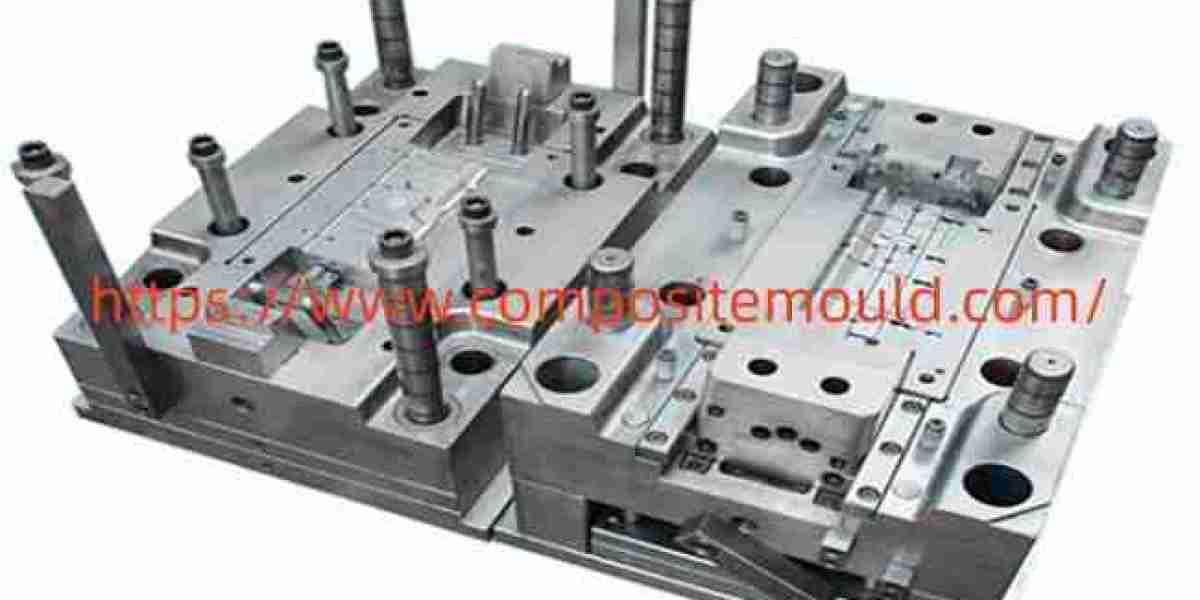
SMC Mould Manufacturer services are becoming relevant to industries that need molded composite components for electrical equipment, transportation systems, infrastructure products, agricultural machinery, and other industrial applications. The reason is not simply about producing a shaped component. Industrial buyers also need tooling that corresponds with component geometry, material behavior, production planning, and the intended working environment. A suitable manufacturing partner can therefore become part of the project planning process rather than only a production contact.
Supporting Different Industrial Applications
Composite molded parts are used in many environments where electrical insulation, structural form, dimensional consistency, or resistance to common operating conditions can be important. Electrical enclosures may require carefully formed surfaces and openings. Transportation equipment can involve panels, covers, housings, and other shaped components. Agricultural equipment may use molded parts around mechanical or electrical assemblies.
Because applications differ, a single production approach may not suit every project. Buyers often need to discuss the purpose of the component before tooling begins. Information about installation, surrounding parts, expected production quantity, and required appearance can help establish a practical manufacturing plan.
Tooling Starts With Product Requirements
A useful tooling project begins with the component rather than the production machine. Designers need to consider wall sections, corners, openings, connection areas, surface requirements, and dimensional relationships. These details influence how material enters the tooling area and how the finished component can be removed.
Early communication can reduce avoidable changes later in the project. Buyers can provide drawings, samples, three dimensional files, or application information according to their project stage. The production team can then review the design and identify areas that may require adjustment before manufacturing starts.
This approach is particularly useful for customized industrial components. Instead of treating every project as a standard order, both sides can discuss the actual purpose of the part and establish a clearer production route.
Material Knowledge Also Matters
Sheet molding compound has characteristics that need to be considered during component development. Material flow, reinforcement distribution, curing behavior, surface requirements, and component thickness can influence the final result. Tooling should therefore be planned around the material and the shape being produced.
For industrial buyers, this means that purchasing decisions should not focus only on tooling appearance or initial cost. It can be useful to ask how the production partner evaluates material behavior, design details, trial procedures, and potential modifications.
A practical discussion before production may help identify issues connected with complicated corners, mounting points, openings, ribs, or surface details. Addressing these areas earlier can make later manufacturing coordination easier.
Communication Across Project Stages
Industrial projects often involve several departments, including engineering, purchasing, production, and quality management. Each group may have different concerns. Engineers focus on design and application requirements. Purchasing teams consider commercial arrangements and delivery planning. Production teams care about process compatibility and repeatable manufacturing.
A capable project partner should be able to communicate with these different needs in mind. Clear drawings, revision records, production updates, and confirmation procedures can help reduce misunderstandings.
This is especially important when buyers work with an overseas production partner. Differences in terminology or design habits can create unnecessary delays. A clear communication process gives both parties a shared reference when discussing changes.
Supporting Customized Production
Many industrial companies do not need identical components for every application. Product families may contain several sizes or configurations that share similar design concepts. In such cases, tooling planning can involve multiple related components.
Customization may cover shape, mounting arrangements, surface treatment, openings, branding areas, or other project requirements. The exact solution depends on the component and its intended application.
Compositemould can support discussions around these production needs by combining tooling development with practical communication. For buyers, this creates an opportunity to discuss the complete component requirement instead of separating design questions from manufacturing questions.
What Buyers Should Consider
Before selecting a production partner, buyers can review several practical factors. Relevant experience with composite components is one consideration. Engineering communication is another. Buyers may also ask about design review procedures, sample evaluation, revision management, production coordination, and after production support.
It is also useful to consider whether the supplier understands the application environment. A component designed for an electrical enclosure may have different requirements from one intended for transportation equipment or outdoor machinery.
Project communication should remain clear from the initial drawing through production. This helps buyers keep expectations aligned and gives both sides a practical framework for handling changes.
A Practical Approach For Industrial Projects
The growing use of composite components across industrial sectors creates demand for production partnerships that can connect design, tooling, material considerations, and manufacturing coordination. The value of such cooperation comes from addressing project requirements carefully rather than relying on broad claims.
For companies preparing a new molded component, the process can begin with a clear drawing, application description, expected quantity, and list of functional requirements. From there, engineering discussions can establish whether the proposed tooling concept fits the project.
Compositemould provides a platform for buyers to discuss customized composite tooling and related production requirements. Companies planning new projects can review available product information at https://www.compositemould.com/ and use the information as a starting point for further project communication.