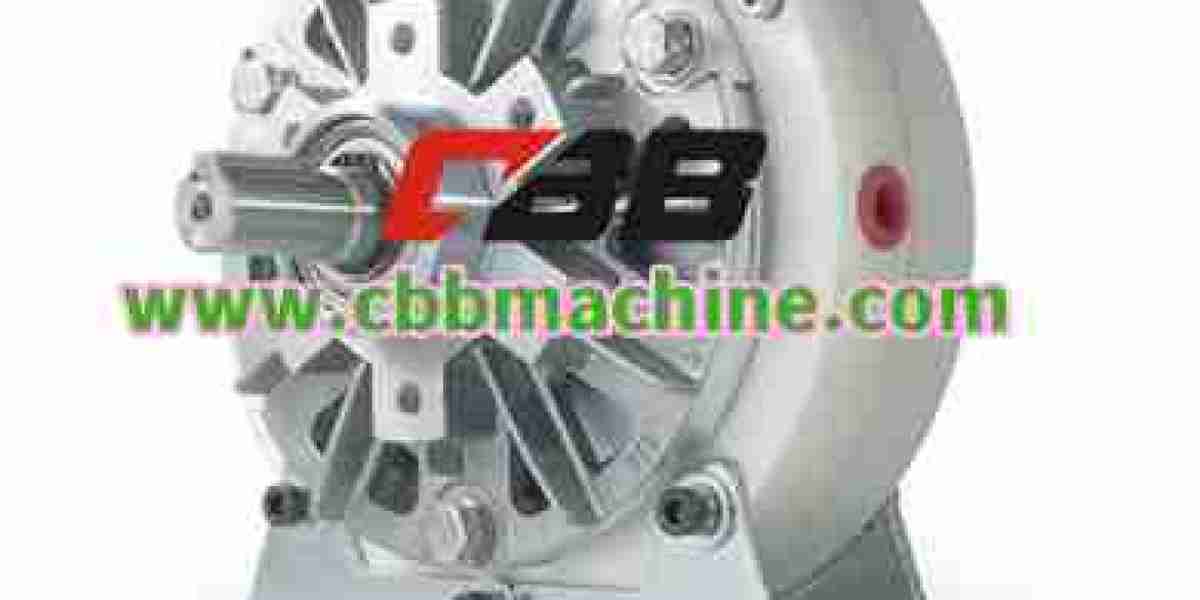
When a production line depends on secure roll positioning, the connection between the machine and the material core deserves careful attention. Cbbmachine Mechanical Expand Chuck is designed to provide firm mechanical engagement with roll cores, creating a dependable interface for winding, unwinding, slitting, and converting applications. Its expansion mechanism allows the chuck to grip the core from within, helping operators establish a stable connection while keeping the overall mechanical arrangement practical and straightforward.
Roll handling begins long before the material starts moving. A core needs to be positioned correctly and held securely so that the surrounding machinery can perform its intended function. A mechanical expansion structure provides a direct approach to this task, allowing the core to be engaged through controlled movement of internal components.
Unlike systems that depend primarily on pneumatic operation, mechanical engagement can offer a straightforward method for securing a roll. The expansion action is generated through a mechanical structure, giving operators a clear physical relationship between adjustment and gripping. This can be useful in production environments where simplicity, accessibility, and direct operation are important considerations.
Core stability can have a significant influence on material handling. If the connection between the core and supporting equipment is not properly established, unwanted movement may affect the way a roll rotates. A secure mechanical grip helps create a more stable foundation, allowing the material to move through the machine with greater consistency.
The design can be incorporated into various types of converting equipment. Winding systems, slitting machines, rewinding units, printing equipment, and other roll-processing machinery may all require reliable core engagement. Because each machine has its own structural arrangement, the chuck should be selected according to the shaft configuration, core characteristics, operating method, and installation environment.
Operator convenience is another important consideration. Production personnel frequently need to mount, secure, release, and replace rolls as part of routine work. A practical mechanical structure can make these actions easier to understand and integrate into an established workflow. When the gripping process is clear and manageable, preparation between production tasks can become more organized.
Mechanical reliability also depends on the relationship between individual components. Expansion elements, supporting structures, bearings, shafts, and drive systems must work together appropriately. A well-matched chuck can become a natural extension of the machine rather than an isolated attachment. This integrated approach helps manufacturers consider roll handling as part of the complete production system.
Maintenance should also be included in equipment planning. Components used in continuous industrial environments need to fit into practical inspection and servicing routines. A mechanically accessible structure can make it easier for production teams to monitor the gripping mechanism and respond to normal maintenance requirements.
Another benefit of mechanical expansion is its adaptability to different operating concepts. Manufacturers may have specific preferences regarding manual adjustment, machine configuration, roll loading procedures, and transmission arrangements. Selecting a suitable chuck allows these considerations to become part of the equipment design rather than afterthoughts.
The right roll-holding component should ultimately be chosen through application-focused thinking. Material characteristics, core construction, machine layout, loading method, rotational requirements, and production workflow all influence the appropriate configuration. When these factors are considered together, the gripping mechanism can contribute to a more coherent and manageable machine design.
A chuck may be a relatively compact part of a production system, but its role is fundamental: creating a trustworthy connection between rotating equipment and the material being processed. When that connection is properly engineered, the rest of the workflow has a stronger foundation.
If you are reconsidering how your rolls connect with the machinery around them, let that small detail open a larger conversation. Visit https://www.cbbmachine.com/product/ and see what possibilities await behind a more deliberate approach to core gripping. Your next production improvement might begin exactly where the roll meets the machine.